What to know about Wandsworth Council rubbish rules
Posted on 11/10/2026
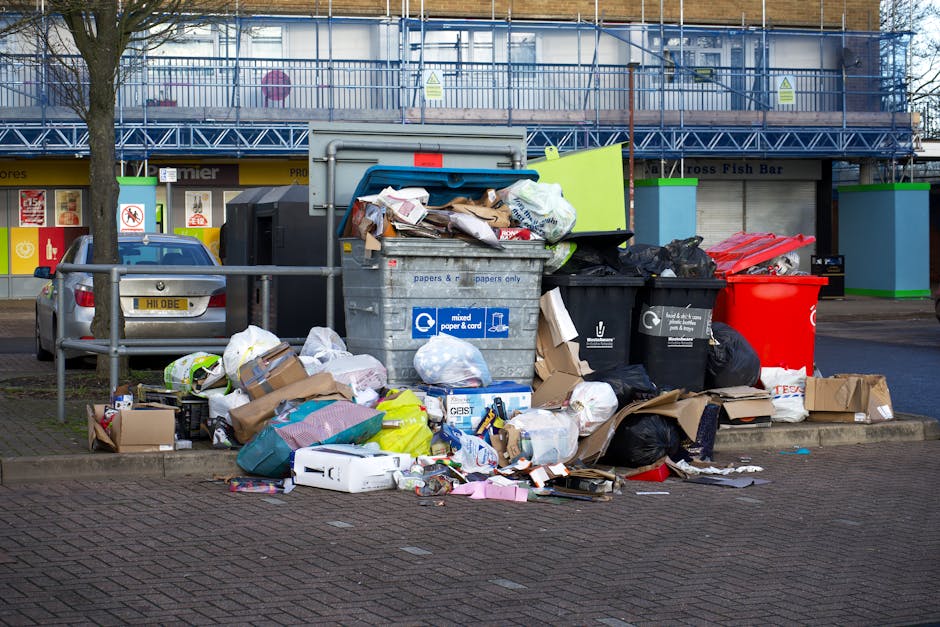
If you live, work, rent, or manage property in the area, learning What to know about Wandsworth Council rubbish rules can save you a lot of hassle. Missed collections, overflowing bins, the wrong sack at the kerb, or a pile of old furniture left out too early can quickly turn into a messy situation. And yes, it happens more often than people think.
Truth be told, most rubbish problems are not dramatic. They are small things: a bin lid that will not close, recycling mixed in with general waste, or garden cuttings tied up the wrong way. The trouble is that small mistakes can lead to rejected collections, complaints from neighbours, or extra costs if you need a one-off clearance. This guide breaks everything down in plain English, so you know what the rules mean in practice and how to stay on the right side of them.
We will cover the basics, the day-to-day details, the mistakes that catch people out, and the sensible next step if you have more waste than the council service can handle. If you need broader support for waste removal, it can also help to understand the wider service picture through the services overview and the recycling and sustainability approach used locally.
- Why these rubbish rules matter
- How the system works
- Key benefits and practical advantages
- Who this is for
- Step-by-step guidance
- Expert tips for better results
- Common mistakes to avoid
- Tools, resources and recommendations
- Law, compliance and best practice
- Options and comparison table
- Case study
- Practical checklist
- Conclusion
- Frequently asked questions
Why What to know about Wandsworth Council rubbish rules Matters
Rubbish rules matter because they affect far more than where you put the bin. They shape how clean the street looks, how easy it is for collections to happen, and whether recyclable material actually gets recycled. If waste is left out in the wrong way, it can become a nuisance pretty quickly: bins split open, bags attract gulls or foxes, and a pavement can look untidy by the end of the day.
For households, the biggest benefit is simple: fewer collection problems. For landlords, managing agents, and businesses, the stakes are a bit higher. Poor waste handling can lead to complaints, unhappy tenants, avoidable callouts, and in some cases enforcement action. Let's face it, nobody wants a Saturday morning phone call about a black bag mountain outside a front door.
There is also a practical money angle. If you know what the council will collect, what it will not collect, and what preparation is expected, you can avoid wasted effort and reduce the need for emergency clearances. That matters when you are moving house, clearing a property, or trying to keep a busy household under control.
Expert summary: The simplest way to stay on top of local rubbish rules is to separate waste early, present it correctly, and treat bulky or unusual items as a separate job rather than hoping they will fit into the usual bin day routine.
How What to know about Wandsworth Council rubbish rules Works
At a practical level, the rubbish system is about separation, presentation, and timing. Separation means putting different waste types where they belong: recycling in the correct container, food waste separately if required, and general refuse in the main bin or designated sack. Presentation means putting waste out neatly, with lids shut and items secured so they do not spill. Timing means leaving it out at the right time on the right day, not the night before unless local rules allow it.
The exact arrangements can vary depending on your property type. A house with front access may have different expectations from a flat with shared bins or a managed block. That is one reason people get caught out. The rules are not always complicated, but they are not always identical for every home either.
In many everyday cases, the council expects residents to:
- Use the correct bin or sack for each waste type.
- Keep recyclable items clean and empty where possible.
- Close bin lids fully so waste does not blow out.
- Place bins in the agreed collection point.
- Remove bins promptly after collection, if that applies to your property.
If you have more waste than a normal weekly collection can handle, you may need a separate solution. That is where services such as house clearance support or builders waste disposal become more relevant. Different kinds of waste need different handling, and trying to squeeze everything into a standard bin is usually where the trouble starts.
One small but important detail: not all rubbish is treated the same. A broken chair, a bag of mixed household waste, an old mattress, garden clippings, and a load of renovation rubble are all handled differently. That may sound obvious, but in the rush of moving day it can become a bit of a jumble.
Key Benefits and Practical Advantages
Following the rules is not just about avoiding trouble. There are real benefits to doing waste properly, and they show up in day-to-day life more than people expect.
- Cleaner streets and entrances: Neat waste presentation keeps smells, litter, and pests down.
- Fewer missed collections: Correctly sorted waste is more likely to be taken first time.
- Better recycling outcomes: Clean separation gives recyclable material a better chance of being processed properly.
- Less stress during clear-outs: If you know the rules, moving house or doing a declutter becomes much easier.
- Lower risk of complaints: Shared buildings especially benefit when everyone follows the same routine.
There is also a subtle but real quality-of-life advantage. A tidy bin area changes the feel of a street or block. You notice it when it is missing. The smell is different, the pavements feel less cluttered, and the whole place looks better looked after. It is one of those unglamorous things that genuinely matters.
If you are planning a larger clear-out, it is also worth looking at the way rubbish removal is priced and organised, which is why pages like pricing and quotes can help you understand the likely costs before you book anything. A bit of planning now usually beats a panicked cleanup later.
Who This Is For and When It Makes Sense
This guide is useful for homeowners, tenants, landlords, letting agents, building managers, small businesses, and anyone handling waste in the area. In practice, the people who need this most are often the ones dealing with a transition: moving in, moving out, renovating, clearing a deceased relative's home, or getting a garden back into shape after months of neglect.
It also makes sense if you have ever looked at a bin full of mixed items and wondered, "Will this actually be collected?" That is a fair question. Waste rules can feel straightforward until you are standing next to an overstuffed bin at the end of a long day and wondering whether you really have to sort everything again. Usually, yes. Annoying, but yes.
Common situations where it pays to check the rules carefully:
- Before moving house or handing back keys.
- After a DIY project or minor refurbishment.
- During garden tidy-ups in spring or autumn.
- When shared bins in a block keep overflowing.
- If you run a shop, office, or small premises with regular waste output.
If your waste is mainly business-related, it is worth thinking beyond household collections and looking at the right disposal path. A commercial unit with cardboard, packaging, and occasional bulky waste needs a different approach from a single flat with weekly household rubbish. Not exactly rocket science, but it does need a bit of thought.
Step-by-Step Guidance
If you want to avoid problems, use a simple process. Nothing fancy. Just a calm, repeatable routine.
- Identify the waste type. Separate general rubbish, recycling, food waste, garden waste, and anything bulky or hazardous.
- Check the container you are meant to use. Bin, sack, shared bin store, or a separate collection point can all apply depending on the property.
- Prepare the waste properly. Flatten cardboard, rinse food containers if required, and bag loose items so they do not spill.
- Keep prohibited items out. Some things simply do not belong in normal collections, so avoid guessing.
- Place it out at the right time. Timing matters more than many people realise, especially on busy streets.
- Bring bins back in after collection. If applicable, this helps keep pavements clear and avoids nuisance issues.
- Use a separate route for larger waste. Book clearance support when the volume or item type goes beyond the normal service.
Here is a realistic example. Say you have cleared a spare room and ended up with broken shelves, old books, packaging, and a couple of worn-out chairs. You could keep trying to fit everything into the weekly bin over several weeks, or you could split it into recyclables, general waste, and bulky items, then arrange the rest separately. The second route is usually far less painful.
For property clearances, especially in flats or terraced streets, a coordinated approach matters even more. If access is tight or parking is awkward, the waste plan should be made before the clutter starts blocking the hallway. It sounds obvious, but when the bags begin to stack up, the job gets harder fast.
Expert Tips for Better Results
A few small habits make local rubbish management much easier. These are the things that tend to save the most time in real life.
- Sort as you go, not at the end. If you wait until the pile is huge, everything becomes slower and messier.
- Keep a spare roll of liners or strong bags. It sounds minor, but it stops a simple task turning into a kitchen-floor drama.
- Break down bulky cardboard early. Boxes take up a shocking amount of space when left whole.
- Do not overfill containers. A lid that cannot close is often a sign the collection may be refused.
- Protect shared bin areas. In blocks or terraces, one untidy household can affect everyone else.
Another useful tip is to match the solution to the job. Garden waste is not the same as builders waste. Office furniture is not the same as black sack rubbish. The more closely the waste type matches the method, the easier the disposal process tends to be.
And one more, because people forget this all the time: if you are planning a big clean-up, do not leave it until 9pm the night before collection and hope for the best. You will hate yourself a little in the morning. Probably not dramatically. Just enough.
If you are dealing with heavier or trickier materials, a specialist service may be the cleanest route. A standard household collection is fine for the usual week-to-week load, but it is not designed for everything. That is where practical support such as waste removal in Battersea can be helpful, especially when you need a tidy, one-off solution.

Common Mistakes to Avoid
Most rubbish issues come from a handful of predictable mistakes. The good news is that they are easy enough to avoid once you know what they are.
- Mixing recyclable and non-recyclable waste. This is one of the fastest ways to create avoidable contamination.
- Leaving waste out too early. It can block pavements, attract complaints, and make the street look cluttered.
- Using the wrong container. Shared-bin buildings often have stricter expectations than single homes.
- Putting bulky items out without checking the route first. That can lead to rejection or fly-tipping risk.
- Ignoring garden waste rules. Grass cuttings, branches, and soil do not always behave like normal household rubbish. No surprise there, really.
- Assuming someone else will sort it. In shared properties, that usually causes frustration, not solutions.
There is also a subtle mistake people make when clearing a property quickly: they focus on what needs to go, not on how it needs to go. That difference matters. A hallway full of mixed bags is a headache; a sorted pile with a plan is manageable. Same amount of stuff. Very different result.
Tools, Resources and Recommendations
You do not need fancy equipment to handle rubbish well, but a few practical tools help:
- Strong refuse sacks: Good for sorting and moving waste safely.
- Markers or labels: Handy when several people are helping with the clear-up.
- Foldable boxes or crates: Useful for keeping recyclables apart before collection.
- Work gloves: Particularly useful for glass, sharp packaging, and garden debris.
- Tape measure: A strange one, maybe, but useful for checking whether bulky items will actually fit through doors or into a vehicle.
For larger jobs, it helps to look at the type of property and the volume of waste before choosing a solution. A small flat clear-out may only need a modest collection. A pre-sale house clearance, on the other hand, can reveal a lot more than expected once the cupboards are opened. You know the feeling: one shelf, then another, then suddenly there are six bags and a broken lampshade from 2011.
Useful local pages for planning can include the main rubbish clearance service, the more general your rubbish removal needs guide, and for specialist situations, office clearance if you are dealing with work premises rather than domestic waste.
If safety is a concern, especially where lifting, sharp edges, or awkward access are involved, do not gloss over it. Clearance jobs often look simpler than they are. A few extra minutes spent planning can prevent a strained back or a scratched hallway wall. Small win, big difference.
Law, Compliance, Standards, or Best Practice
When waste is involved, compliance is mostly about duty of care, safe handling, and using the right route for the waste type. You do not need to become a legal specialist, but you do need to understand the broad expectation: do not leave waste where it can cause a nuisance, do not mix it in a way that creates problems, and do not dispose of controlled or specialist items casually.
For households, the practical standard is simple: present waste in the way the local collection system expects. For landlords and businesses, the bar is higher. You are expected to manage waste consistently, keep communal areas tidy, and avoid allowing waste to accumulate in a way that affects others.
Best practice usually means:
- Keeping waste secured until collection.
- Separating recyclable streams where provided.
- Using proper disposal for items that are too large or unsuitable for the normal service.
- Making sure contractors or occupants understand the building's bin rules.
- Recording arrangements for repeated commercial waste where appropriate.
If you are using a third-party clearance service, insurance and safe handling matter too. It is sensible to check how collections are managed, especially for awkward or heavy items. A bit of reassurance goes a long way here, which is why some readers also review insurance and safety before booking anything. Not glamorous, but very sensible.
One practical point: if an item is regulated, hazardous, or not suitable for a standard domestic bin, treat it as a separate category. Trying to hide the problem in a black bag rarely ends well. The binmen are not magicians, despite what some households seem to assume.
Options, Methods, or Comparison Table
People usually have a few ways to deal with rubbish, and the best one depends on volume, type, access, and how quickly you need it gone. Here is a straightforward comparison.
| Method | Best for | Pros | Limitations |
|---|---|---|---|
| Regular council collection | Routine household waste and approved recycling | Simple, familiar, and usually cost-effective | Limited to set containers, schedules, and item types |
| Bulky-item or specialist collection | Furniture, mattresses, and larger single items | More suitable for oversized waste | May require booking and careful preparation |
| Private rubbish clearance | House clearances, mixed loads, short-notice jobs | Flexible, fast, and useful for larger volumes | Usually costs more than a standard collection |
| DIY transport to a facility | Households with access to a suitable vehicle | Useful for smaller, sorted loads | Time-consuming and not ideal for heavy or awkward waste |
In real terms, the right choice is often a mix. A household clear-out might use the normal weekly service for the small stuff, then a separate clearance route for the bulky leftovers. That split is often the cleanest, cheapest way to do it without turning the week into a saga.
Case Study or Real-World Example
A typical example is a two-bedroom flat in a busy part of the borough where the occupants are moving out at short notice. The flat has the usual mix: packaging from flat-pack furniture, kitchen waste, old clothes, a broken chair, and a couple of unwanted shelves. At first glance, it all looks like "just rubbish." In practice, it is a mixed job.
The sensible approach was to sort the recyclables first, bag the general waste separately, and set aside the broken furniture for a dedicated clearance. The packaging went out with the correct recycling stream, the smaller household waste went into the normal collection route, and the bulky items were removed in one go rather than left by the bin store for days.
The result was straightforward: no overflow, no awkward pile-up in the hallway, and far less stress on moving day. That is the real advantage of understanding local rubbish rules. You do not just comply. You make the whole process smoother.
We see this sort of thing a lot around end-of-tenancy clean-ups and pre-sale declutters. People often think they need a heroic effort. Usually they just need a clear plan and the right disposal path. Nothing fancy. Just organised.
Practical Checklist
Use this quick checklist before putting waste out or arranging a collection:
- Have I separated recycling from general waste?
- Are all bags tied securely and not leaking?
- Is the bin lid fully closed?
- Have I checked whether this item needs a special collection?
- Is the waste going out at the correct time?
- Will the collection point stay clear for pedestrians and neighbours?
- Have I removed anything that should not go in a normal bin?
- Do I need help for bulky, heavy, or mixed waste?
- Am I dealing with household waste or something that needs a specialist route?
- Is there enough room so the collection can happen without obstruction?
If you can tick most of those without hesitation, you are usually in good shape. If not, pause and sort it properly. It takes a little longer now, but it saves a lot of fuss later. And honestly, that is usually worth it.
Get a free quote today and see how much you can save.
Conclusion
Knowing What to know about Wandsworth Council rubbish rules is really about keeping things simple: sort waste properly, use the right container, respect timing, and treat bulky or unusual items as a separate job. Do that, and most of the common headaches disappear before they start.
It also helps to think beyond the weekly bin day. If you are clearing a property, dealing with office furniture, or clearing a garden after a long stretch of neglect, the right disposal route can save you time, money, and a fair bit of frustration. The key is not perfection. It is steady, sensible organisation.
If you want a smoother route for larger or more awkward waste, look at the options that match your situation and choose the one that keeps your space clean, your neighbours happy, and your week under control. Small effort now, less stress later. That is usually the sweet spot.
And if you are staring at a pile of rubbish wondering where to begin, start with one bag, one box, one decision. That first step always makes the rest feel lighter.


From a young age, Blair has cultivated a passion for order, which has now matured into a prosperous profession as a waste removal specialist. She derives satisfaction from transforming disorderly spaces into practical ones, aiding clients in conquering the burden of clutter.
 Tipper Van - Rubbish Removal and Waste Clearance Prices in Battersea, SW11
 Luton Van - Rubbish Removal and Waste Clearance Prices in Battersea, SW11