Battersea rubbish clearance near Battersea Power Station
Posted on 04/07/2026
Battersea rubbish clearance near Battersea Power Station: a practical local guide
If you are looking for Battersea rubbish clearance near Battersea Power Station, you are probably dealing with something very ordinary and very annoying at the same time: a flat that needs clearing, renovation waste piling up, a few bulky items that will not fit in the lift, or a garden that has got away from you after a busy weekend. In a place like Battersea, that can feel even more pressing. Parking is tight, access can be fiddly, and nobody wants bags sitting around while you wait for the "right time" to deal with them. Truth be told, the best clearance jobs are the ones that disappear quickly and cleanly, without fuss.
This guide explains what local rubbish clearance actually involves, how the process works near Battersea Power Station, what to expect from a good service, and how to avoid the little mistakes that turn a simple job into an expensive headache. If you want broader service context first, you may also find our services overview useful, especially if you are comparing clearance options for a home, office, or mixed-use property.

Why Battersea rubbish clearance near Battersea Power Station matters
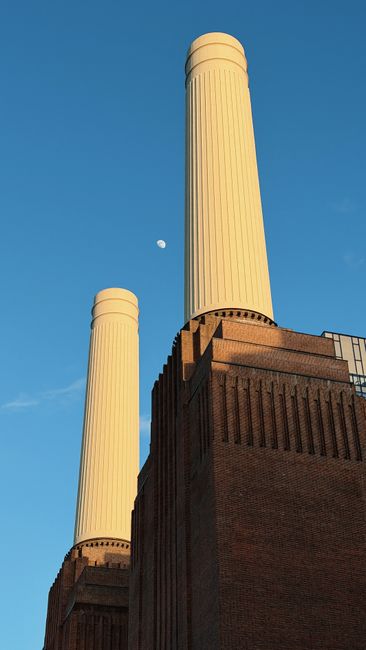
Battersea Power Station sits in one of the most visible and fast-moving parts of south west London. That matters because waste clearance here is not just about emptying a few bins. It is about keeping homes, shared buildings, commercial spaces, and construction zones usable, safe, and presentable in an area that sees a lot of footfall and daily movement. When rubbish is left too long, it can affect access, create smells, attract pests, and generally make a space feel smaller and more stressful than it needs to be.
In this part of Battersea, the practical challenge is often logistics. You may be working in a riverside apartment, a managed block, a retail unit, or a property that is being turned around for new tenants. A clear-out near the Power Station can involve tight loading spaces, lift restrictions, timed access, or a short window to get the job done before neighbours, customers, or contractors arrive. That is why a good clearance plan matters as much as the labour itself.
There is also the local reputation side of it. Battersea has become a polished, high-activity neighbourhood, and the surrounding streets reflect that. Keeping things tidy is not cosmetic fluff. It supports day-to-day life, protects shared areas, and makes handovers smoother. If you are curious about the wider feel of the area, the article on Battersea as a neighbourhood in London gives a useful local picture.
Practical takeaway: Near Battersea Power Station, clearance work is about more than removal. It is about access, timing, neighbour courtesy, and leaving the property genuinely ready for whatever happens next.
How Battersea rubbish clearance near Battersea Power Station works
A solid clearance job usually follows a simple sequence. The details vary depending on whether you are clearing a flat, office, shop, garden, or building site, but the basic process stays familiar. A good provider will normally assess what needs removing, estimate the volume and type of waste, discuss access, and arrange a collection time that suits your schedule. Then the team loads, sorts, and removes the items, followed by responsible disposal or recycling where possible.
The part people sometimes underestimate is the sorting. Not everything in a pile of rubbish is treated the same way. General household clutter, wood, metal, green waste, builders' debris, office furniture, and electrical items may need different handling. That is especially true if the job involves renovation waste or a mixed load. A crew that knows what it is looking at can save you time and reduce the chance of awkward surprises on the day.
For larger jobs, the service may include a brief site walk-through before removal begins. That is handy in Battersea, where access can be tighter than it looks from the street. If you have stair-only access, a narrow hallway, or limited parking, say so early. It sounds obvious, but a five-minute conversation can save half an hour of awkward lifting later. And let's face it, nobody wants to discover that the sofa was measured in optimism rather than centimetres.
If the waste is coming from a refurbishment or strip-out, you may want to look at builders waste disposal in Battersea, because construction debris has different handling needs from standard household rubbish. For more general household jobs, the focused rubbish clearance Battersea page is a useful reference point.
Key benefits and practical advantages
When rubbish clearance is done properly, the benefits are immediate. You get space back, but you also get mental breathing room. That matters more than people admit. A spare room full of boxes, broken furniture, and leftover packaging can quietly drag the energy out of a home. Once it is gone, the room feels usable again. Simple, but genuinely noticeable.
There are other advantages too:
- Speed: You can clear a large volume in one visit rather than making repeated trips to a tip or recycling point.
- Convenience: You do not need to hire a vehicle, carry heavy items yourself, or negotiate local access challenges alone.
- Safer handling: Heavy, awkward, or sharp items are removed with less risk of injury or damage.
- Better sorting: Reusable and recyclable materials can often be separated more effectively than in a rushed DIY clear-out.
- Cleaner finish: A proper clearance should leave the space ready for cleaning, decorating, sale, letting, or occupation.
For landlords and agents, there is another benefit that is easy to overlook: presentation. A cleared property photographs better, lists better, and shows better. If you are preparing a sale or tenancy near the Power Station, those details count. If you are also weighing up property decisions in the area, the guide to property buying tips for Battersea may be worth a look.
Who this is for and when it makes sense
This kind of local clearance service suits a lot of people. Some are obvious, some less so.
- Homeowners dealing with spring cleaning, downsizing, inherited contents, or post-renovation waste.
- Renters who need to clear bulky items before moving out, or after a house share has gone a bit sideways.
- Landlords and letting agents preparing a flat for new occupants.
- Office managers removing redundant desks, chairs, boxes, or archive materials.
- Contractors and tradespeople needing timely builders' waste removal between stages of a project.
- Garden owners with piles of cuttings, soil, branches, or old outdoor items.
It also makes sense if you simply do not want to spend a whole Saturday doing multiple car loads. Some jobs are not dramatic, just inconvenient. A cracked wardrobe, three broken bikes, and a stack of damp cardboard can sit for weeks because nobody feels like dealing with it. That is the sort of thing clearance services are built for.
For residents balancing busy working lives, nearby transport, and building access, the value is often in timing. You can get a room back before guests arrive, before a tenancy check-out, or before decorators come in. If your space is more outdoors than indoors, our garden waste removal in Battersea page covers the greener side of the job.
Step-by-step guidance
Here is a straightforward way to approach clearance near Battersea Power Station without making it more complicated than it needs to be.
- Walk the space first. Look at everything that needs removing and separate obvious categories: furniture, general rubbish, recyclables, green waste, electrical items, and building debris.
- Identify access issues. Note stairs, lift size, parking limits, loading restrictions, concierge rules, or time windows.
- Take a few photos. Even rough photos help with planning. They do not need to be perfect. They just need to show scale and access.
- Decide what stays. Mark items that must not be taken. A label or taped note can help when you are tired and surrounded by boxes.
- Arrange the collection window. Choose a time that avoids peak disruption if possible, especially in buildings with shared hallways or strict management rules.
- Prepare the items. Group them where appropriate, but do not block fire exits or communal routes.
- Confirm disposal expectations. Ask how the waste will be handled, particularly if there are recyclables, electricals, or mixed materials.
- Check the final sweep. After removal, do a last look for stray screws, bits of packaging, or forgotten items in cupboards and under furniture.
If you are planning a larger clear-out, it can help to start with a simple question: what would be hardest to move on your own? That tends to reveal the real job quickly. A wardrobe is not just a wardrobe, after all; it is a bulky object that somehow becomes twice as awkward the moment you need to turn it round a corner.
Expert tips for better results
After many clearance jobs, a few things stand out. First, do not leave the access conversation until the last minute. Battersea properties can be deceptively tricky. A van may be parked legally but still be a nuisance if it blocks resident access or collides with a narrow loading bay. The more precise you are, the smoother the job tends to go.
Second, separate reusable items before the clearance day if you have the energy. A clean sofa, a working desk, or a usable kitchen chair may be better donated, sold, or passed on than added to a mixed load. That is not only more sustainable, it can also simplify the job.
Third, think about sequence. Clear the largest and most obstructive items first. Once a bulky item is gone, the smaller waste often becomes easier to gather and less stressful to sort. People often do the opposite and end up moving the same pile three times. Not ideal.
Fourth, if the property is in a managed building, check whether there are rules about lifts, protection for communal areas, or booking service access. A good team will usually work around this, but it is much smoother if everyone knows the constraints before arrival.
Finally, make sure you choose a service that treats disposal properly and does not just move the problem somewhere else. If sustainability matters to you, our recycling and sustainability page explains the broader approach. For extra peace of mind around the practical side of the job, you can also review insurance and safety.

Common mistakes to avoid
Most clearance problems are avoidable. The common mistakes are not dramatic, just annoying.
- Underestimating volume: What looks like "a few bags" often turns into several cubic metres once it is gathered properly.
- Ignoring access: A job can stall if the team cannot get close enough to the property or if the lift is too small for larger items.
- Mixing everything together: It is better to flag special items clearly than to bury them in a random pile.
- Leaving it too late: Rushed clearances usually cost more time and create more stress.
- Forgetting sensitive items: Documents, chargers, keys, and personal paperwork have a habit of hiding in drawers and boxes.
- Assuming all waste is the same: Electricals, garden waste, and builders' debris often need different handling.
There is also a sneaky one: people sometimes clear half the room and assume the rest will be easy. Then they hit the awkward stuff. Mattresses. Broken shelving. A filing cabinet nobody knows how to open. That is when the job gets slow. Better to map the whole room first, even if it feels a bit overcautious.
Tools, resources and recommendations
You do not need a warehouse full of gear to organise a good clearance, but a few simple tools help a lot.
- Labels or tape: Useful for marking items to keep, donate, or remove.
- Protective gloves: Handy if you are moving anything with rough edges or dust.
- Bin bags and sacks: For grouping small items before collection.
- Measuring tape: Essential for checking whether bulky items will fit through doors or lifts.
- Phone camera: Good for taking access photos and keeping a record of what is being cleared.
- Notebook or checklist: Still surprisingly useful. A bit old-school, but it works.
For related services, it can help to compare your needs with the broader waste removal in Battersea option, especially if your job includes mixed household or commercial waste. If the clearance is more domestic and tied to a move, a house clearance in Battersea may be the better fit. For business premises, the more targeted office clearance Battersea service is the obvious comparison point.
Law, compliance, standards, or best practice
Waste clearance in the UK is not something you want to treat casually. You do not need to become an expert in regulations, but you should expect anyone handling waste to take responsible disposal seriously. In practical terms, that means separating materials where needed, avoiding unsafe handling, and using sensible processes for transport and disposal.
If you are a property owner, landlord, or business manager, your own responsibilities matter too. You should know what is being removed, avoid leaving waste where it creates hazard or obstruction, and make sure sensitive items are handled appropriately. For example, electrical items should not simply be thrown into a general pile without thought. The same goes for anything that could leak, cut, or break under pressure.
In managed buildings, best practice also means respecting shared spaces. That includes keeping corridors clear, protecting lift interiors if required, and working within building rules. It sounds small, but these things matter. Nobody enjoys a clearance day that leaves the entrance hall looking like a storage cupboard exploded.
Where insurance or access concerns apply, it is sensible to use a provider that is transparent about process and safety. If you want to read more about the company background and approach before booking, the about us page is a straightforward place to start. For the nitty-gritty of booking, service terms, or payment handling, the relevant policy pages are available on site, and it is always worth reviewing them before work begins.
Options, methods, or comparison table
People usually choose between a few common approaches. The right one depends on how much waste you have, how quickly it needs to go, and how much effort you want to put in yourself. Here is a simple comparison.
| Method | Best for | Advantages | Limitations |
|---|---|---|---|
| DIY disposal | Very small amounts of light waste | Can be cheap if you already have transport and time | Time-consuming, physically demanding, tricky with bulky items |
| Skip hire | Longer projects with steady waste generation | Useful for ongoing renovation or garden work | Needs space, permits may be an issue, loading is your responsibility |
| Man and van clearance | Mixed waste, bulky furniture, quick clear-outs | Fast, convenient, less lifting for you | Needs a reliable provider and clear access planning |
Near Battersea Power Station, the third option is often the most practical. Access and parking are not always straightforward, and a quick, coordinated collection can be far less disruptive than managing a skip for days. That said, if you are clearing a property over a longer renovation period, a skip can still make sense. It depends on the rhythm of the job.
Case study or real-world example
Imagine a two-bedroom flat a short walk from Battersea Power Station. The owner has just finished a small renovation and wants the place ready for a new tenant by the end of the week. There is a broken wardrobe in one room, packaging from new appliances in another, a few bags of general clutter, and some leftover boards from the refit. Nothing outrageous, but enough to make the flat feel unfinished.
The first useful step is not lifting anything. It is looking at the access. Is there visitor parking? Does the lift take large items? Are there restrictions on delivery or loading? Once that is clear, the waste is grouped by type so the removal team can work quickly. The bulky furniture comes out first, then the lighter waste, then the mixed renovation debris. A final sweep catches loose screws and scraps that would otherwise end up under a skirting board.
The result is not glamorous, but it is satisfying. The flat goes from cramped and half-finished to clean, open, and ready for photos. The owner avoids several trips, the tenant move-in is not delayed, and the whole thing is finished before the evening rush starts on the nearby roads. That is the sort of boring success people remember with relief.
Practical checklist
Use this checklist before your clearance day. It keeps things calm.
- Identify exactly what needs removing
- Separate items you want to keep
- Check access, stairs, lift size, and parking
- Take photos of bulky or unusual items
- Group waste by type where possible
- Set aside personal documents and valuables
- Confirm timing with the building or contractor if needed
- Ask about recycling or responsible disposal
- Make sure corridors and exits stay clear
- Do a final room-by-room check after removal
If you are dealing with a more specific situation, such as a one-off collection after a move or a broader clear-out across multiple rooms, our your rubbish removal needs page may help you match the service to the job more accurately. Small decision, big difference.
Get a free quote today and see how much you can save.
Conclusion
Battersea rubbish clearance near Battersea Power Station is really about making life easier in one of London's busiest and most desirable neighbourhoods. Whether you are clearing a flat, a shop, a garden, or a renovation site, the job goes best when it is planned around access, volume, and disposal type rather than just "getting rid of stuff."
That approach saves time, reduces stress, and gives you a proper finish instead of a half-done one. And if you are in Battersea, with all the movement and rhythm of the area, that clean finish matters. A lot more than people sometimes think.
Once the clutter is gone, the space usually feels different straight away. Lighter. Easier. Ready for the next thing. That is a nice feeling, to be fair.

From a young age, Blair has cultivated a passion for order, which has now matured into a prosperous profession as a waste removal specialist. She derives satisfaction from transforming disorderly spaces into practical ones, aiding clients in conquering the burden of clutter.
 Tipper Van - Rubbish Removal and Waste Clearance Prices in Battersea, SW11
 Luton Van - Rubbish Removal and Waste Clearance Prices in Battersea, SW11